



View from Our Garden
(2023-ongoing)
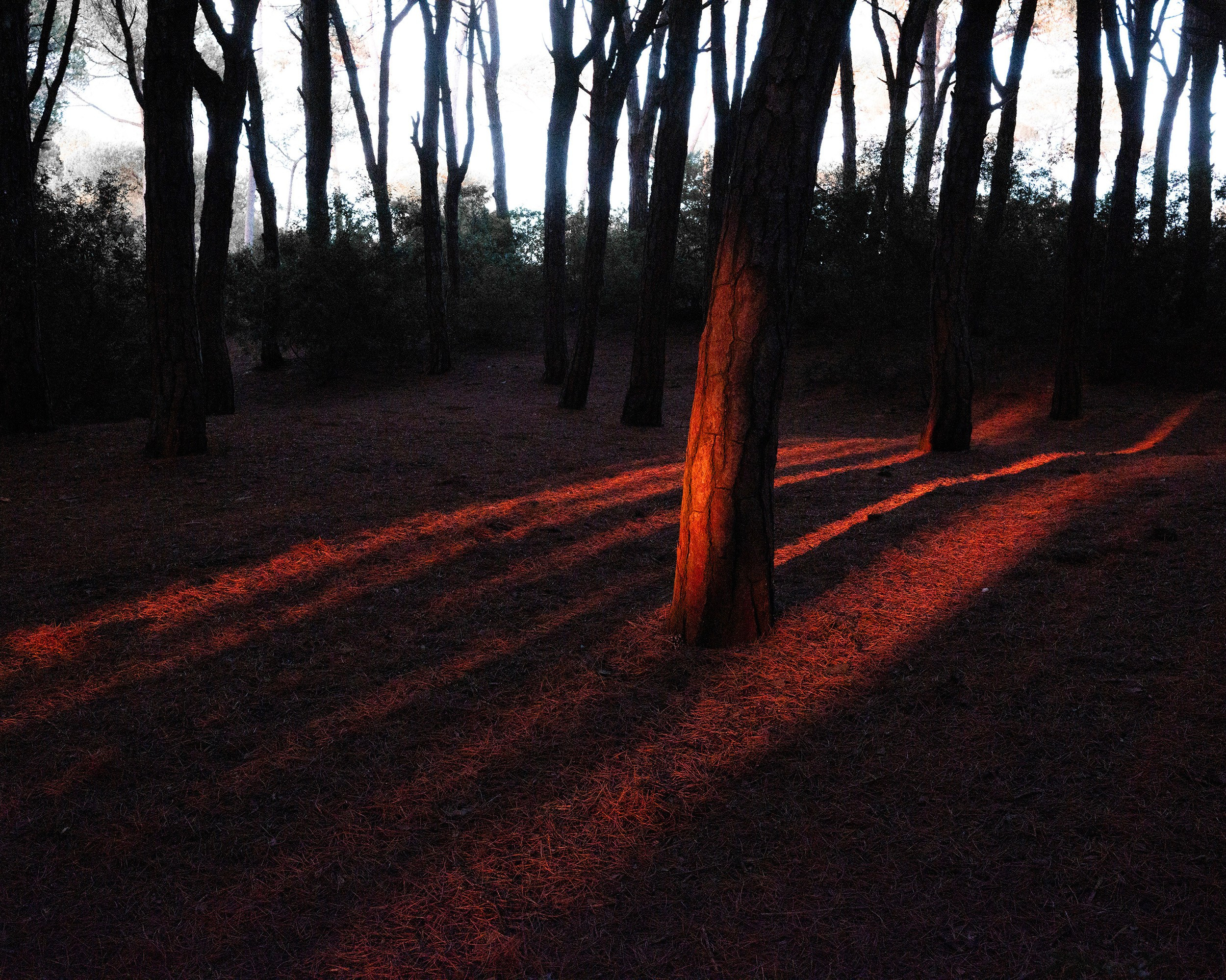
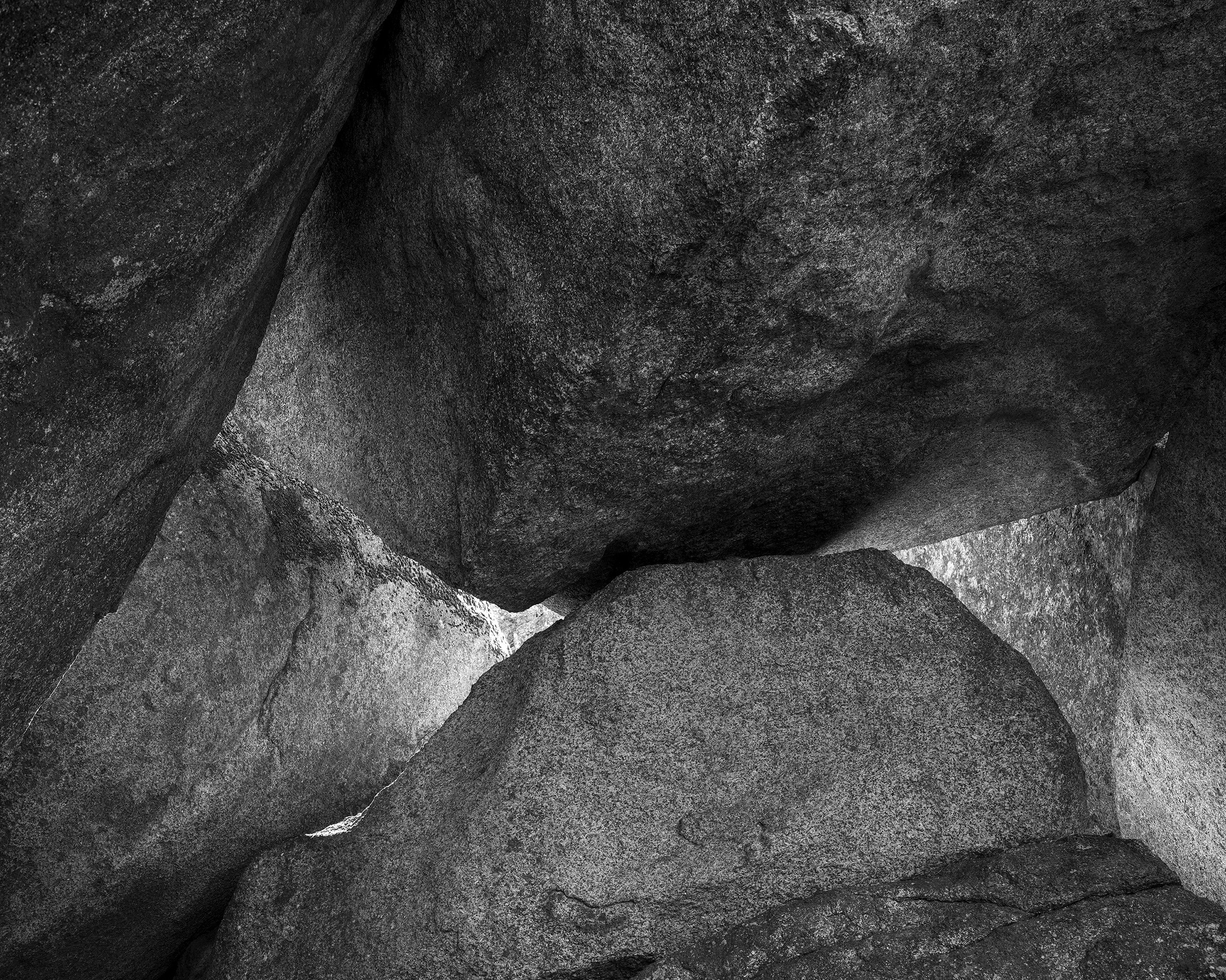
View from Our Garden explores the fragility of home, memory, and personal history. Created after I left my home country following Russia’s full-scale invasion of Ukraine, the project began as a personal reflection on displacement and gradually became a wider meditation on what remains when images, places, and lives are altered by time.
The work brings together my own photographs and fragments from a damaged family album found at a Lisbon flea market. My photographs are documentary in approach, yet they do not simply record what is visible. Images of children’s bodies, hidden faces, wounded surfaces, bodily landscapes, and emotional landscapes that become indirect self-portraits speak about vulnerability — of the family, of childhood, and of the future itself.
The album appears to document the life of an English family in the years after the Second World War. Its presence in Portugal suggests another history of migration, perhaps carried by the family’s children or grandchildren before the album was eventually lost or abandoned. Many photographs have vanished, leaving captions, empty spaces, and traces of mold. It is an archive marked by absence, where memory survives without images and personal histories persist only as fragile traces.
Placed alongside my photographs, the album becomes a temporal mirror: another family history, touched by war and migration, begins to resonate with my own. Bodies, landscapes, damaged pages, and fragments of the surrounding world echo one another. Children appear across both timelines — often hidden, turned away, or seen only in fragments — not as symbols of certainty, but as fragile figures through whom the future enters the work.
Photography promises to preserve time, yet here time erodes images, histories, bodies, landscapes, and homes. The damaged album reflects not only another family’s past, but also a possible future for my own photographs: they too may one day survive as fragments, absences, and traces.